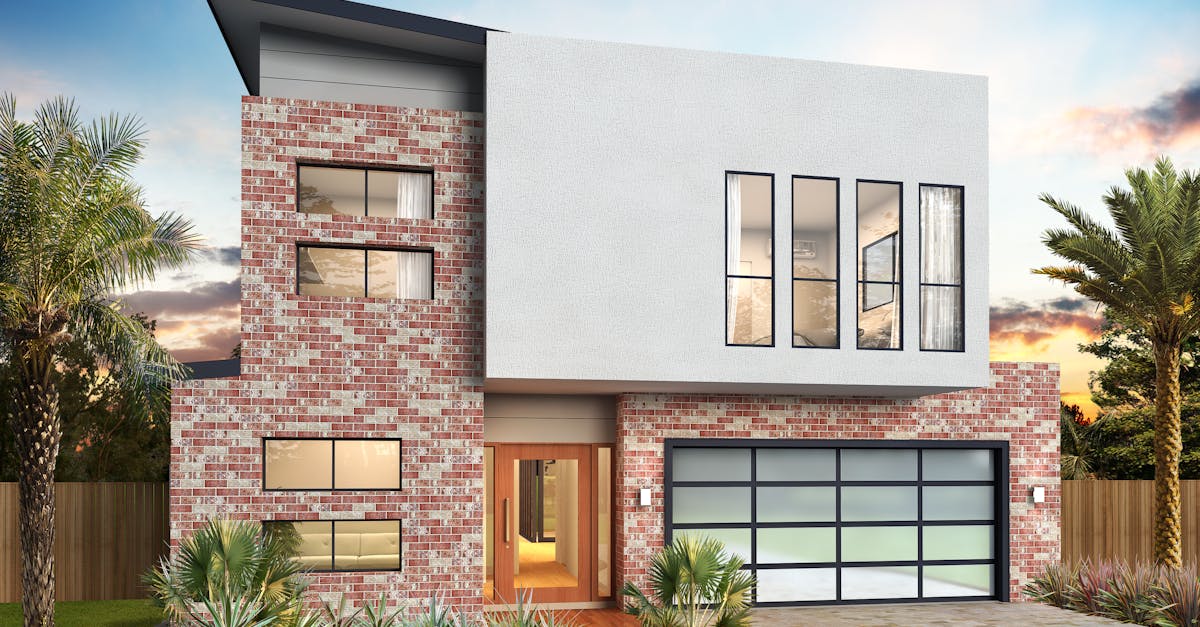
Integrating Passive Solar Design in Custom Home Projects
Table Of Contents
Windows and Glazing Techniques
The choice of windows and glazing plays a significant role in the effectiveness of passive solar design. Selecting high-performance window systems can enhance energy efficiency and improve indoor comfort. Double or triple glazing is often recommended to reduce heat transfer, helping to maintain consistent indoor temperatures throughout varying seasons. Low-emissivity (low-e) coatings can further optimise energy performance by reflecting heat back into the home during winter while allowing solar gain in cooler months.
Orientation and size of windows heavily influence natural light and heat gain. Strategically positioning larger windows on the northern side of the home captures the sun’s warmth during winter, while smaller or shaded windows on the southern side help reduce heat during summer. Incorporating overhangs or awnings can also mitigate direct sunlight and glare, promoting a more comfortable living space. Wind direction and local climate factors should inform the selection of window types and placements to achieve maximum benefit from passive solar design principles.
Choosing Energy-Efficient Window Systems
Selecting the right window systems is crucial for enhancing energy efficiency in a home. Double or triple glazing significantly reduces heat transfer, which helps maintain a stable indoor temperature throughout varying seasons. Low-emissivity (Low-E) coatings can further improve thermal performance by reflecting heat back indoors during winter while blocking unwanted solar heat during summer. Additionally, choosing products with a high energy rating can contribute to overall sustainability and lower energy costs.
Frame materials also play an essential role in energy efficiency. Aluminium frames are durable and tough, but they can conduct heat, making options like uPVC or timber more advantageous for insulation. It's vital to consider the design and placement of windows to maximise natural light while minimising excess heat gain. Opting for window systems that align with the home's solar orientation can not only improve comfort but also reduce reliance on artificial heating and cooling methods.
Ventilation and Airflow Considerations
Effective ventilation is crucial in creating a comfortable living environment while maximising energy efficiency in custom homes. Natural airflow can significantly reduce the reliance on mechanical cooling systems. Designers should consider the alignment of windows and openings to facilitate cross ventilation by allowing cool breezes to flow through the home. Strategically placed vents can harness prevailing winds, ensuring a consistent supply of fresh air while expelling stale indoor air.
In addition to window placement, integrating roof overhangs can help control sunlight penetration and improve airflow. Using exhaust fans in kitchens and bathrooms will help remove excess heat and humidity, contributing to a healthier indoor atmosphere. Incorporating thermal mass materials into design can also stabilise temperature fluctuations, allowing homes to remain cooler during the day and warmer during cooler nights. All these factors contribute to an efficient and comfortable indoor climate.
Natural Cooling Strategies for Homes
Utilising natural cooling strategies can significantly enhance indoor comfort during hot weather. Proper cross-ventilation is critical for facilitating airflow through the living spaces. This can be achieved by strategically placing windows on opposite sides of a room. Floor plans that promote open spaces allow breezes to flow freely. High ceilings can also contribute to a cooler environment by encouraging hot air to rise.
Another effective method involves incorporating thermal mass materials in construction. These materials absorb heat during the day and release it at night, helping to stabilise indoor temperatures. Additionally, shaded outdoor areas created by eaves or pergolas can further reduce heat gain. Integrating these strategies into home design ensures a cooler living space while reducing reliance on artificial cooling systems.
Landscaping for Passive Solar Benefits
Effective landscaping plays a crucial role in maximising the advantages of passive solar design. Strategic placement of trees and vegetation can enhance energy efficiency by providing shade during hotter months. Deciduous trees, for example, are particularly beneficial as they offer dense cover and reduce heat from direct sunlight in summer while allowing sunlight to filter through in winter after their leaves have fallen. Other plants, such as climbing vines or shrubs, can also be positioned to shield windows and walls, further improving the home’s thermal performance.
In addition to shading, landscaping can improve airflow around the property, which contributes to natural cooling strategies. The careful selection of plant types and arrangement promotes breezes and helps create a cooler microclimate. Incorporating water features like ponds or fountains can also aid in lowering ambient temperatures through evaporation. These thoughtful landscaping choices not only enhance the aesthetic appeal of a home but also support the overall effectiveness of a passive solar design.
Utilizing Trees and Vegetation for Shade
Incorporating trees and vegetation into the landscape of a custom home offers significant benefits for passive solar design. Strategically placed trees can provide shade during the hotter months, helping to keep indoor temperatures manageable without relying heavily on air conditioning. Deciduous trees are particularly valuable, as they lose their leaves in winter, allowing sunlight to warm the home during the cooler months. This natural cycle promotes thermal comfort throughout the year and enhances energy efficiency.
Planting low shrubs and other vegetation close to the home's exterior can further contribute to the cooling effect. These plants can act as a windbreak, reducing drafts and maintaining a consistent indoor climate. Additionally, dense foliage can absorb sunlight, which minimises heat absorption by hard surfaces such as driveways and paths. Emphasising a diverse selection of native plants not only supports local ecosystems but also minimises water usage, making this approach both environmentally friendly and sustainable.
FAQS
What is passive solar design?
Passive solar design is an architectural approach that uses natural energy from the sun to maintain comfortable indoor temperatures, reduce energy consumption, and enhance the overall efficiency of a home.
How do windows and glazing techniques contribute to passive solar design?
Windows and glazing techniques play a crucial role in passive solar design by allowing sunlight to enter the home while reducing heat loss. Selecting energy-efficient window systems can optimise natural light and minimise energy costs.
What are some effective natural cooling strategies for homes?
Effective natural cooling strategies include using cross ventilation, positioning windows to catch breezes, and incorporating thermal mass materials to absorb and release heat, helping to maintain a comfortable indoor climate without relying on mechanical cooling.
How can landscaping enhance the benefits of passive solar design?
Landscaping can enhance passive solar design by strategically placing trees and vegetation to provide shade in the summer while allowing sunlight to penetrate during the winter. This can help regulate indoor temperatures and reduce reliance on heating and cooling systems.
What factors should I consider when choosing energy-efficient window systems for my home?
When choosing energy-efficient window systems, consider factors such as the window's U-value (thermal performance), solar heat gain coefficient (SHGC), frame material, and the type of glazing. These elements can significantly influence energy efficiency and comfort in your home.
Related Links
Affordable Eco-Friendly Home Design Ideas for FamiliesInnovative Eco-Friendly Home Design Trends in Tamworth
Water-Efficient Landscaping Options for Eco-Friendly Homes
Smart Home Technology for Sustainable Living in Tamworth
How to Choose Sustainable Materials for Home Construction